
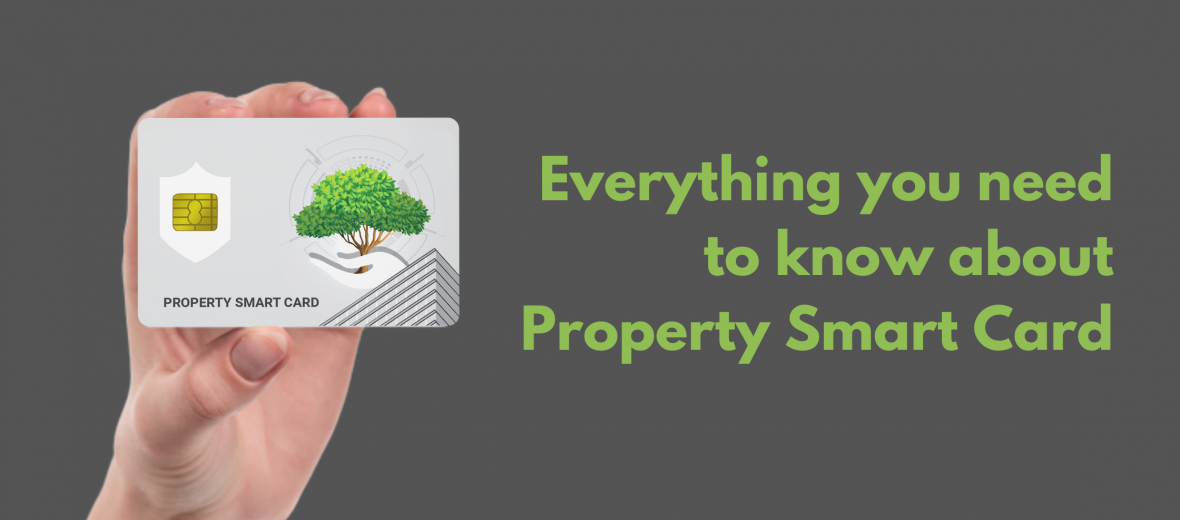
Karnataka has made significant progress in digitizing land and property records, promoting transparency and e-governance. One of the key innovations of this program is the “Property Card.” In the face of rapid urbanization, particularly in cities like Bengaluru, immediate and accurate access to property-related documents is essential for buyers, sellers, investors, and legal professionals.
Previously, landowners had to queue up at taluk offices to establish their title deeds or obtain land documents. Through online networks like Bhoomi and UPOR, Karnataka is enabling its citizens to manage their land documents from home. This is not only a matter of convenience, but also of protecting property rights, ensuring legal transparency, and preventing large-scale fraud.
This blog contains everything you need to know about getting a property card online in Karnataka – from finding out what it is, to step-by-step instructions on how to check, apply for, and download your digital property card.
Whether you’re buying real estate, verifying ownership, or managing your documents, this informative blog is your one-stop guide. For trusted developers like Brigade, ensuring every buyer has clear, digitally verifiable ownership is a top priority, making property maps even more essential in modern transactions.
What is a property Card?
A property Card is an official government document containing a property description, such as the owner’s name, survey number, locality, boundaries, and ownership status. Unlike a khata (used for tax purposes) or a mutation certificate (used to record changes in ownership), a property Card provides consolidated, government-authenticated proof of ownership. It describes the ownership and physical characteristics of the land and is therefore highly reliable for banking and financial transactions.
Government-authenticated digital signatures are computer-generated property cards printed through Karnataka’s UPOR and Bhoomi portals. These digital signatures ensure the card’s legal validity and inviolability, making it admissible in court and preserving its credibility in bank loans, judicial seizures, and real estate transactions.
Key information included in a property Card:
Owner’s name
Land survey number and subdivision information
Land area and boundaries
Location (taluk, hobli, village)
Encumbrance certificate and transfer status
Use type (residential/commercial/agricultural)
Transaction history
Links to GIS maps
The map serves as legal proof of ownership and also plays a vital role in loan applications, property registration, dispute resolution, and verifying the clarity of title deeds when selling real estate.
Why Property Card Are Important in Karnataka?
Property Card contribute to the government’s aspirations for inclusive and sustainable urban development by supporting activities such as:
-Preventing land encroachments and disputes
-Facilitating appropriate land use planning and taxation
-Improving citizen services related to property
Improving e-governance and modernizing the land registry.
The state’s computerized system was implemented gradually to ensure that everything is integrated in urban and rural areas and that no one is left behind.
Given Karnataka’s dynamic real estate sector, particularly in Bengaluru, Mysuru, and Hubli-Dharwad, the state is one of the first in India to computerize land records on a large scale. Here are the reasons why it’s essential to obtain an online property card:
Land Transparency: No more confusion regarding land ownership. With online records, both buyers and banks can instantly verify ownership.
Prevention of Fraudulent Sales: Fake documents and repeated transactions for the same property are common defects. Government-verified property cards largely eliminate these defects.
Simplified Property Transfers: Whether for sale, rental, or mortgage, property cards facilitate legal verification, thus speeding up transactions and paperwork.
Improved land regulations: Computerized registries allow municipal authorities to more effectively control zoning, encroachments, and public works.
Emancipation of property owners: Individuals can access and download their property card online, thus gaining immediate access to their file.
Additionally, banks and NBFCs are increasingly relying on verified digital land documents for loan or mortgage approvals. Property maps provide authentic proof of ownership, reducing the need for manual document confirmation or third-party verification. This accelerates loan disbursements and reduces fraud.
In government and urban planning, UPOR is used in conjunction with GIS technologies, enabling accurate property mapping and encroachment detection. It is essential for conflict resolution, municipal infrastructure planning, and land-use regulation. Additionally, in cases of inheritance or succession, a property map can serve as proof of ownership, facilitating the transfer of title and reducing the risk of land disputes.
Documents Required for Obtaining a Property Card
To obtain a property card in Karnataka, you must have the following documents:
Document of Ownership of Property: Registered Sale Deed or Gift Deed, Partition Deeds, or Succession Deeds
Identity Proof: Aadhaar Card, Voter ID Card, or PAN Card
Address Document: Utility Bill, Bank Statement, or Ration Card
Property Tax Receipt: Last tax paid to municipal authorities
Survey Mao/Sketch: Topographical Plan or sketch of local land records
Encumbrance Certificate (EC): Ideally, within the last 10 to 13 years
Application Form: To be completed online or offline, as required
Benefits of Purchasing a Land Map Online in Karnataka
Online property cards also have several advantages for the property owner and the government. Some of them are:
Convenience: Applicants no longer need to travel to different administrative offices. Everything is simplified online through portals such as Bhoomi and UPOR.
Time Saving: Online applications save time, reduce paperwork, and eliminate manual processes.
Transparency and Accuracy: Data is obtained from digitized and validated land records, providing a true representation of ownership and use.
Tamper-Proof Documentation: Once printed, the digital Property Card is securely stored and difficult to tamper with, minimizing fraud and manipulation. Easy access to property-related services: You can easily use the Property Card to access loans, settle disputes, sell land, or access public services.
Environmentally friendly: Paperless procedures ensure environme
ntal protection and operational efficiency.
Government Initiatives for Digitization (UPOR and Bhoomi Projects)
Karnataka is at the forefront of efforts to digitize land records in India. Two flagship initiatives are fueling this transformation: UPOR and Bhoomi.
- UPOR – Urban Land Ownership Records
UPOR is an initiative launched by the Karnataka government to digitize and verify urban property ownership. It aims to map and record urban properties using GIS technologies, thereby helping to prevent encroachments and streamline property taxation.
UPOR Objectives:
Create a legal register of urban land ownership.
Issue digitized property maps to legitimate owners.
Improve transparency in urban land transactions.
Features:
Owners are encouraged to conduct field verifications and surveys.
Digital records are created after prior verification.
Unique Property Identification Numbers (UPINs) are assigned.
UPOR is currently active in several cities, including Mysuru, Shivamogga, and Mangaluru, and is expected to expand to other urban areas.
- Bhoomi – Rural Land Digitization Project
Launched in 2000, Bhoomi was one of the first land records computerization projects in India. It has enabled the digitization of RTCs for over 20 million land records in Karnataka.
Features:
RTC (Pahani) records are available online.
Land transaction records and mutation tracking are accessible via the Bhoomi portal and Atal Jan Snehi Kendras.
With UPOR and Bhoomi, Karnataka has developed a dual framework covering urban and rural land ownership, making property maps more accessible to all citizens.
DILRMP
This central initiative encourages states to create standardized and integrated digital property management systems. The implementation of Bhoomi and UPOR in Karnataka is in line with the DILRMP’s objective of making land records transparent and accessible.
Eligibility Criteria for Obtaining a Property Card in Karnataka
To obtain a Property Card in Karnataka, the applicant must:
Be the legitimate owner of the property (documented by a valid sale deed or inheritance)
Own real estate located within the rural or urban limits of Karnataka
Not be subject to any pending legal disputes relating to the said property
Be registered with the municipal or panchayat authorities (for tax and transfer purposes)
Have up-to-date records in the Bhoomi or UPOR system, depending on the location.
Step-by-step procedure to apply for a property card online in Karnataka
Here is a simplified procedure to apply for a property card online in Karnataka, depending on whether your property falls under a rural or urban jurisdiction.
For urban properties (via UPOR):
Step 1: Visit the UPOR portal
Access the UPOR portal: https://upor.karnataka.gov.in
Step 2: Enter property details
Use the survey number, ward number, or property ID to search for your property.
Step 3: Land survey (if required)
A land survey can be conducted to verify boundaries and ownership.
Step 4: Submit documents
Upload documents such as the sale deed, ID, tax receipts, and encumbrance certificate.
Step 5: Verification
The authorities will verify the documents, and corrections will be notified if necessary. Step 6: Issuance
Once approved, the digital property card is generated and available for download.
For rural properties (via Bhoomi):
Step 1: Visit the Bhoomi portal
Access the official website: https://landrecords.karnataka.gov.in
Step 2: Select “Check RTC and MR”
Choose the required department (e.g., RTC/Pahani).
Step 3: Enter the property information
Enter the district, taluk, hobli, village, and survey number.
Step 4: Verify the property
Verify the information and request a digital certificate if available.
Step 5: Download
You can save or print the property card/RTC document for official use. For convenience, Karnataka allows you to download the property card in PDF format, which you can then keep for future reference.
Other methods to apply for a property card
If you cannot access the online portals, the Karnataka government also offers offline options:
- Visit the Taluk Office
Apply for the property card with supporting documents.
A land registry officer will guide you through the process.
- Use the Atal Jan Snehi Citizen Service Centers (Kendras)
Visit the nearest Kendra to access Bhoomi or UPOR services with the assistance of an operator.
Printing or filing fees are payable by you.
- BangaloreOne Centers (Urban Areas)
For urban residents, BangaloreOne counters can help you collect land documents or complete applications.
Common Problems and Solutions
- Record Discrepancies: Inconsistencies in the owner’s name, boundaries, or plot number.
Solution: File a rectification application through the UPOR/Bhoomi portal or visit the land records office with supporting documentation.
- Survey Number Not Found: Some old or unregistered properties may not appear.
Solution: Contact your local tax inspector or the tahsildar’s office for manual updates.
- Pending Mutation: Applications may be delayed if the mutation of ownership is not completed.
Solution: Complete the mutation process through Bhoomi before applying for the map.
- Duplicate Records: Conflicting entries due to joint ownership or inheritance.
Solution: Submit a joint affidavit or legal documentation to harmonize ownership rights.
- Portal technical issues: Slow loading times or broken links on UPOR or Bhoomi.
Solution: Visit the portal outside of peak hours or use the Jan Snehi Kendra for an assisted query.
How to Check Your Property Card Online in Karnataka
Citizens can check their property card online via the Bhoomi or UPOR portals by entering the land registry or PID information. If you only want to check the property card online to know its status or ownership information, follow these quick steps:
For rural properties:
Access the Bhoomi portal.
Select “i-RTC” (to check the Register of Rights).
Enter the land registry number, taluk, and village.
Click on “Retrieve Details.”
For urban properties:
Access the UPOR portal.
Use the “Check Property Card” option.
Enter the PID, Khata number, or registered mobile number.
Check the card information displayed.
How to Obtain a Digital Property Card in Karnataka
Karnataka is rolling out fully digital land records as part of the UPOR initiative. These can be accessed via:
UPOR app or website: Use the official mobile app to search and access your digital card at any time.
DigiLocker integration: You can access property cards via the DigiLocker platform using your Aadhaar ID.
SMS and mobile OTP: Some municipal corporations, such as BBMP (Bruhat Bengaluru Mahanagara Palike), are working to enable access to property documents via registered mobile phone numbers and OTP authentication.
Tips for Buyers and Owners
If you’re considering buying a property in Karnataka, here are some key points to remember:
-Always check the property map before finalizing a transaction.
-Compare the information with the sale deed and the transfer registry
-Ensure the map is recent and reflects any change of ownership.
-Use Bhoomi or UPOR portals directly—avoid third-party agents.
-Save a digital copy in DigiLocker or Google Drive for easy access.
Property cards represent the future of transparent, efficient, and reliable land records management in Karnataka. Whether you own a house in Bengaluru or agricultural land in Hassan, obtaining your property card online is now easier and more convenient than ever.
Thanks to pioneering initiatives in Karnataka like UPOR and Bhoomi, the processes of verifying ownership, applying for loans, resolving legal issues, and managing taxes are now simpler and more user-friendly.
Taking the time to obtain your property card now can save you a lot of hassle later. Go digital, stay informed, and secure your property intelligently. Start your application today on the Bhoomi or UPOR portal and take control of your land records.
If you’re ready to take the next step, visit the official Bhoomi or UPOR portals today.
